Medical Costs in China for International Patients: Payment, Deposits & Insurance
You’ve received a reply from a hospital in China, and the doctor looks suitable. The next question is usually: How much will the entire treatment actually cost?
That question needs more than a single price. A hospital may quote the consultation or procedure but leave out tests, medication, implants, extra hospital days, rehabilitation or treatment for an unexpected complication. Before booking flights, you need a written estimate that shows what is included, when deposits are due and whether your insurer will pay the hospital directly.
Medical disclaimer: This article is for general information and does not provide medical, insurance or financial advice. Treatment costs and coverage depend on your condition, hospital and insurance policy. Confirm everything directly with the hospital and insurer before travelling.
Ask for a Written Cost Estimate Before You Travel
Don’t rely on a price mentioned in a chat message. Ask the hospital’s international patient office or billing department for a written estimate in Chinese yuan (RMB/CNY).
The request should include your diagnosis, planned procedure, expected admission date and the medical records already reviewed by the doctor. If the hospital cannot estimate the cost before an examination, ask for separate figures for the initial consultation and diagnostic stage. Our guide on how to contact and book a Chinese hospital before you travel includes an enquiry template that asks for this estimate.
Your estimate should answer these questions:
| Cost item | What to confirm |
|---|---|
| Consultation | Doctor, department and whether interpretation is included |
| Pre-treatment tests | Laboratory work, imaging, pathology and specialist reviews |
| Procedure or treatment | Surgeon, anaesthesia, operating room, medicines and consumables |
| Medical devices | Implant, prosthesis or other high-cost device and its brand or model |
| Hospital stay | Room type, estimated number of nights and nursing charges |
| Rehabilitation | Therapy sessions, follow-up visits and assistive equipment |
| Complications | How additional treatment or a longer stay will be charged |
| Translation | Medical interpretation and translated reports |
A cost estimate is not a guaranteed final bill. Your treatment plan may change after examination, and the hospital may need to use a different device, medicine or procedure. Ask how much contingency money the hospital recommends keeping available.
If you haven’t chosen a hospital yet, compare the service level as well as the price. Our guide to public and international hospitals in China explains why an ordinary public outpatient department, a public hospital’s international department and a private international hospital may use very different fee structures.
Understand Consultation Fees, Deposits and Top-Ups
Chinese hospitals commonly collect payment at several points instead of sending one bill weeks later.
For outpatient care, you may pay the registration or consultation fee first. If the doctor orders blood tests, CT, MRI or medication, you usually pay for those items before receiving the service. The exact workflow depends on the hospital. See what to expect during medical treatment in China for the full registration, payment and testing sequence.
For inpatient treatment, the hospital may request an admission deposit. This is money placed on your hospital account and used against the charges generated during your stay. If the balance becomes low, the billing office may ask you to top it up. At discharge, the hospital calculates the final charges and either asks for the remaining balance or processes a refund.
Before paying a large deposit, confirm:
-
the amount and currency;
-
the legal name of the hospital receiving the money;
-
the accepted payment methods;
-
whether the deposit is refundable if treatment is cancelled;
-
how unused money will be returned;
-
how long a card or bank-transfer refund may take;
-
who can discuss the account if you are unable to do so yourself.
Never transfer a hospital deposit to an employee’s or intermediary’s personal account unless the hospital has formally confirmed that arrangement through a verified channel.
How International Patients Can Pay a Chinese Hospital
Payment options vary between cities, hospitals and departments. Large hospitals may accept a combination of RMB cash, Chinese bank cards, Alipay, WeChat Pay and selected international bank cards. A payment method accepted at an international department may not be available at every cashier in the hospital.
Beijing’s official medical guide says international patients using the covered medical services may pay out of pocket or use qualifying commercial insurance. It also explains that direct billing is available only when the insurer has an arrangement with the medical institution. That is a useful model, but you should not assume every hospital in China follows the same payment setup.
Before travelling, ask the hospital:
Can you send me the payment methods accepted by the international patient department, including the card networks and transfer instructions?
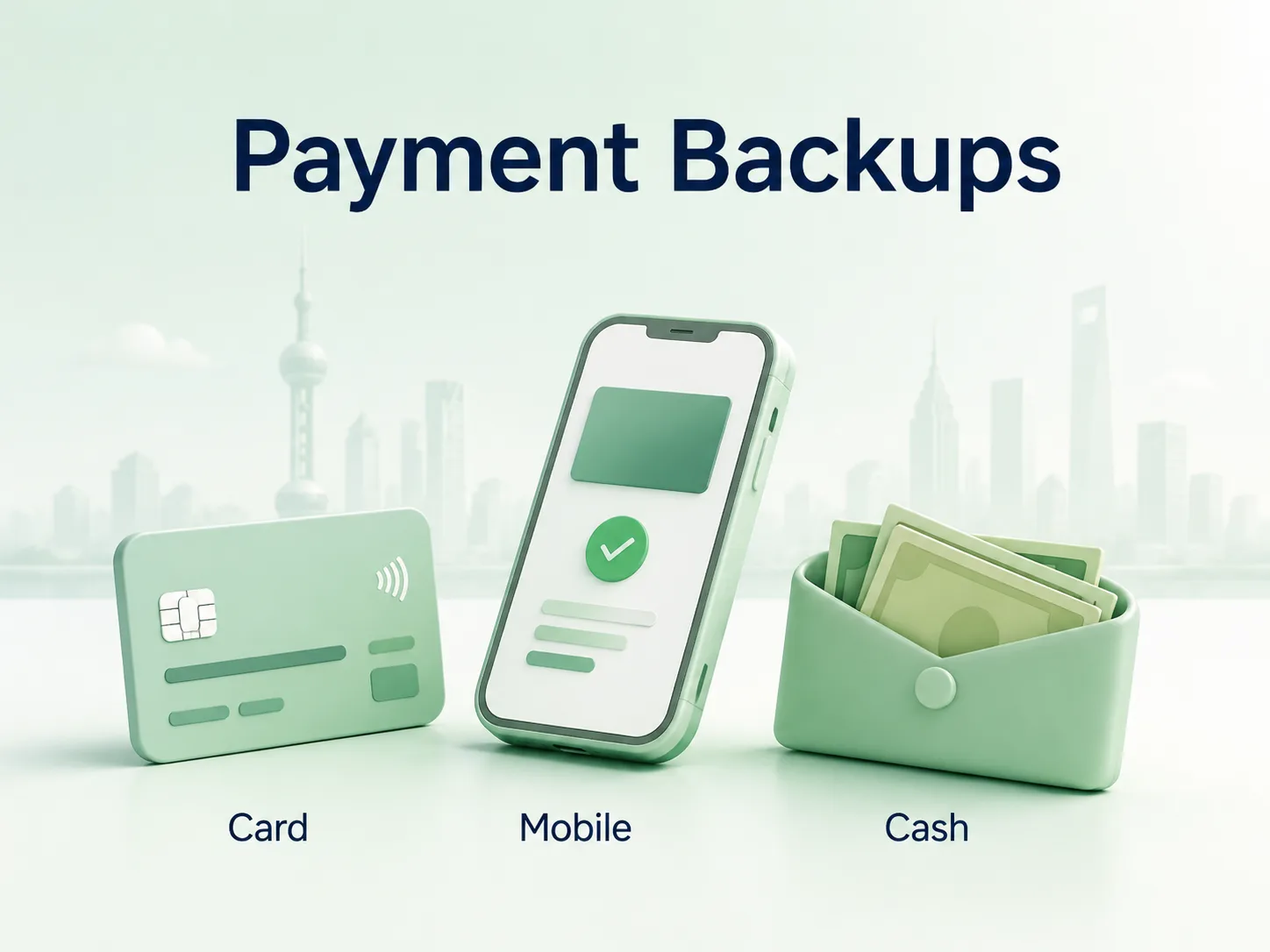
Bring at least two independent ways to pay. A large card transaction can fail because of your bank’s overseas limit, fraud controls or daily spending cap. Contact your card issuer before departure and ask whether the expected hospital payment will be allowed.
If you plan to use Alipay or WeChat Pay, set them up before admission, but don’t make a mobile wallet your only option for a large medical bill. Our guides on how to pay in China and using WeChat Pay without a Chinese bank card explain the setup for foreign visitors.
Direct Billing vs Pay and Claim
These two insurance arrangements are very different.
Direct Billing
With direct billing, the hospital sends eligible charges to the insurer. You may still need to pay a deductible, co-payment, non-covered item or amount above the policy limit.
Direct billing normally requires all three of the following:
-
your exact insurance plan is accepted;
-
the hospital or specific hospital location has a billing agreement with the insurer;
-
the insurer authorizes the planned treatment.
An insurance logo on a hospital website does not prove that your individual policy is covered. United Family Healthcare, for example, tells patients to check their specific plan and notes that insurance partnerships can vary by hospital location. Our international insurance page lists, for each insurer, the hospitals in our directory that report a direct-billing or other settlement arrangement.
Ask your insurer for written confirmation containing the hospital name, treatment, covered dates, authorization number, coverage limit and the expenses you must pay yourself.
Pay and Claim
With pay and claim, you pay the hospital first and submit documents to the insurer afterward. You therefore need enough available funds to cover the deposit and final bill even if the treatment is insured.
Ask your insurer exactly which documents it requires. Common requests include:
-
official invoice or fapiao (发票);
-
itemized bill or 费用明细清单;
-
diagnosis certificate;
-
medical report and discharge summary;
-
prescriptions and pharmacy receipts;
-
proof of payment;
-
claim form signed or stamped where required;
-
English translation or certified translation.
Don’t wait until you’re at the airport to check the paperwork. Request it from the hospital billing office before discharge and compare the name and passport number with your insurance record. Our departure checklist, before you leave China, covers the billing and insurance paperwork step by step.
Budget Beyond the Hospital Bill
The medical estimate is only one part of the trip. Your working budget should also include:
-
flights and flexible ticket changes;
-
accommodation before admission and during recovery;
-
meals and local transport for you and a companion;
-
interpretation and document translation;
-
extra nights if the doctor delays your return journey;
-
follow-up tests and rehabilitation;
-
emergency treatment not included in the original plan;
-
international calls, document delivery and insurance administration.
Use three separate figures: the hospital’s current estimate, your non-medical travel budget and an emergency reserve. Don’t spend the reserve on sightseeing before treatment is complete. For the non-medical side, see what to prepare before traveling to China for medical treatment and recovering in China after medical treatment.
Chinese Payment Card for the Hospital
请给我一份书面的费用预估。
Qǐng gěi wǒ yí fèn shūmiàn de fèiyòng yùgū.
Please give me a written cost estimate.
这笔费用包括哪些项目?
Zhè bǐ fèiyòng bāokuò nǎxiē xiàngmù?
What is included in this charge?
请给我发票、费用明细和诊断证明。
Qǐng gěi wǒ fāpiào, fèiyòng míngxì hé zhěnduàn zhèngmíng.
Please give me the invoice, itemized bill and diagnosis certificate.
Frequently Asked Questions
Are medical costs in China the same for foreigners and Chinese patients?
It depends on the service. Beijing’s official guide states that international patients using the relevant standard medical services are charged according to the same standards as Chinese residents. International departments, VIP services and private hospitals can have separate prices. Confirm the fee schedule with the specific hospital.
Do I have to pay a hospital deposit in China?
Many hospitals request a deposit for inpatient admission or planned treatment, but the amount and refund rules vary. Ask for the deposit policy in writing before you travel.
Will my international insurance pay the hospital directly?
Only if your exact plan is eligible, the hospital has an arrangement with your insurer and any required pre-authorization is approved. Otherwise, expect to pay first and claim reimbursement later.
Can I pay a hospital bill with Visa or Mastercard?
Some hospitals and international departments accept international cards, but acceptance is not universal. Confirm the card network, transaction limits and payment location with the hospital and your bank.
What documents should I collect for an insurance claim?
Ask your insurer before treatment. Common documents include the fapiao, itemized bill, diagnosis certificate, medical records, discharge summary, prescriptions and proof of payment.
Official Sources Used