How to Use Public Transport in China: Metro, Buses & QR Codes for Tourists (2026)
You’ve found the correct metro station, but the gate won’t accept the QR code you normally use to pay in shops. Or you’ve boarded a bus and suddenly realize you don’t know whether to scan once or again when you get off.
These are common problems for first-time visitors.
Public transport in China is extensive, affordable and usually easy to use once you understand the payment system. The main thing to remember is that a normal Alipay or WeChat payment code is not necessarily a transport code.
For the metro, you can usually buy a single-journey ticket, use a local transport QR code or tap a physical transport card. Some cities also allow eligible international bank cards to be tapped directly at the gate.
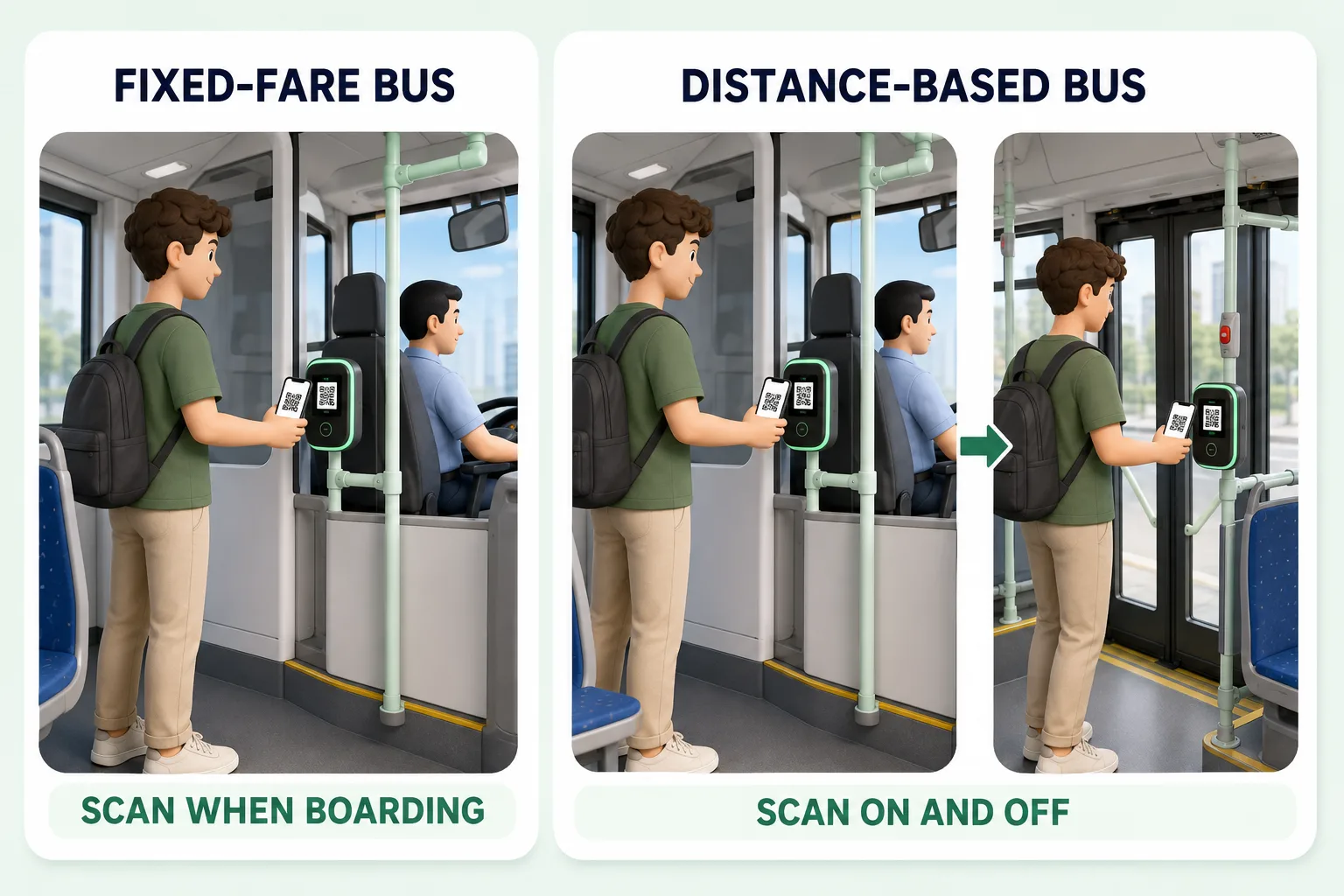
For buses, you’ll normally use a transport QR code, transport card or RMB cash. Payment rules can vary by city and even by route, so you need to check whether you should scan only when boarding or both when boarding and getting off.
Quick Summary
- Taking the metro once or twice? A single-journey ticket is often the easiest option.
- Using public transport every day? Activate the local metro or bus code in Alipay’s Transport section.
- Taking a bus with cash? Prepare small RMB notes or coins because drivers usually don’t provide change.
- Using an international bank card? Direct tap-to-ride is available in some cities, including Beijing and Shanghai, but not on every transport system in China.
- Your QR code isn’t working? Check that you opened the transport code for the correct city—not your normal shop payment code.
Choose Your Payment Method Before You Travel
China doesn’t use one identical ticketing system in every city. Beijing, Shanghai, Guangzhou, Shenzhen, Chengdu and Xi’an may all offer metro QR codes, but the activation process, accepted cards and local transport apps can differ.
These are the four most practical choices for foreign tourists:
| Payment method | Best for | What to know |
|---|---|---|
| Single-journey metro ticket | First ride or occasional metro use | Buy at a ticket machine or station service counter |
| Transport QR code | Several metro or bus journeys | Requires activation, identity verification and mobile data |
| Physical transport card | Longer stays or unreliable mobile payment | Buy and top up at participating stations or service points |
| Contactless international bank card | Cities with tap-to-ride support | Only works with eligible cards and supported gates |
If you’ve just arrived and don’t want to set up another app at the station, buy a single-journey metro ticket first. You can activate a transport QR code later at your hotel when you have time and a stable internet connection.
Plan the Route Before Leaving Your Hotel
Metro systems in major Chinese cities usually have clear route maps, line numbers and station signs. English station names are common, but bus information can be more difficult if you don’t read Chinese.
Before leaving, save:
- your destination in English and Chinese;
- the complete metro station name;
- the metro line number or color;
- the terminal station in your direction of travel;
- the recommended station exit number;
- the Chinese name of your hotel.
The direction of a metro train is usually shown using the name of the final station on that line. It isn’t always described as northbound, southbound, eastbound or westbound.
For example, knowing you need Line 2 isn’t enough. You also need to know which terminal station your train is heading toward.
Exit numbers matter as well. A large station may have many exits on different sides of a major road. Choosing the wrong exit can add a long walk or leave you on the opposite side of an intersection.
Check the final train time if you’re travelling late at night. Operating hours vary by city, line and station, and the last train may leave earlier than you expect.
How to Take the Metro in China
Step 1: Find the Correct Entrance
Look for signs marked Metro, Subway or the city’s local metro logo.
Some station entrances only serve certain lines or directions. If an entrance is closed or doesn’t connect to the line you need, follow the signs to another entrance.
Large railway stations, airports and shopping districts may have several metro entrances spread across a wide area.
Step 2: Go Through the Security Check
Bag security checks are common at metro stations in China.
Place your backpack, suitcase or shopping bag on the scanner belt and walk through the security gate. You may be asked to remove a drink from your bag so staff can check it separately.
Allow extra time at busy railway stations, airports and tourist areas, especially during morning and evening rush hours.
Step 3: Choose a Ticket or Payment Method
After security, decide how you’ll enter the fare gates.
You can usually choose from:
- a single-journey ticket;
- a city transport QR code;
- a physical public transport card;
- an eligible contactless bank card where supported.
Payment methods available at ticket machines and counters vary by city and station. Look for signs showing cash, Alipay, WeChat Pay or international bank card logos.
If you’re unsure, go to the staffed service center.
SHOW THIS TO STATION STAFF
我想买一张单程票。
Wǒ xiǎng mǎi yì zhāng dānchéng piào.
I’d like to buy a single-journey ticket.
Step 4: Buy a Single-Journey Ticket
At a ticket machine:
- Select English if available.
- Choose your destination station.
- Check the displayed fare.
- Select an accepted payment method.
- Collect the ticket or token.
Depending on the city, the ticket may be a thin card, paper QR ticket or plastic token.
Tap or scan it at the entrance gate. When leaving the metro, scan it again or insert it into the exit gate as instructed.
Keep the ticket until you have completely exited the station.
If the machine doesn’t accept your international card or cash, use the staffed service counter. Larger metro systems have been expanding international card acceptance, but you shouldn’t assume every machine in every city will accept your card.
How to Activate a Metro QR Code in Alipay
If you plan to use the metro several times, a transport QR code can be more convenient than buying a ticket for every journey.
The exact labels may change between app versions, but the general process is:
- Open Alipay.
- Tap Transport or Travel.
- Confirm that the selected city is correct.
- Choose Metro.
- Follow the instructions to activate the local metro code.
- Complete identity verification if requested.
- Select or link an available payment method.
- Open the metro QR code before approaching the gate.
At the entrance, hold the code over the QR scanner. Use the same transport service and payment method when exiting.
Don’t use a screenshot. Transport codes may refresh, and a saved image may not work.
Your ordinary Alipay payment code—the one used in supermarkets and restaurants—is different from the code inside the Transport section.
If the gate rejects your code, step away so you don’t block other passengers. Check the city, code type, network connection and payment method before trying again.
Can You Tap an International Bank Card at the Metro Gate?
In some cities, yes—but it isn’t yet a universal system across China.
Beijing allows eligible overseas-issued contactless bank cards on its urban rail network. Shanghai has also expanded contactless international card tap-to-ride access across its metro network.
If the gate displays the logo of your card network and a contactless symbol, you may be able to tap your physical card directly without buying a ticket or opening an app.
Remember:
- use an eligible contactless card;
- use the same card to enter and exit;
- don’t enter with a physical card and try to exit with a phone wallet;
- make sure your bank allows overseas contactless transactions;
- keep another payment method available.
Support differs by city, card issuer, card technology and individual gate. If tapping fails, buy a single ticket or ask station staff for help.
SHOW THIS TO STATION STAFF
这张外国银行卡可以直接刷地铁吗?
Zhè zhāng wàiguó yínhángkǎ kěyǐ zhíjiē shuā dìtiě ma?
Can I use this international bank card directly at the metro gate?
How to Find the Correct Metro Platform
Once inside the station, follow signs for the line and direction you need.
Check:
- the line number;
- the line color;
- the final station in your direction;
- the next station shown on the platform screen.
At transfer stations, follow the signs marked Transfer rather than leaving through the exit gates.
Transfers can involve a long walk, especially at major interchange stations. Don’t assume the next platform will be directly across the hall.
Inside the train, watch the route display and listen for station announcements. Major city systems often include English station announcements, but you should still follow the map on your phone.
When you arrive, follow the signs for your planned exit number.
How to Take a Public Bus in China
Buses are useful for places that aren’t close to a metro station, but they require a little more preparation.
Before boarding, confirm:
- the route number;
- the direction of travel;
- the Chinese name of your destination;
- the stop where you need to get off;
- whether the route has a fixed or distance-based fare.
Bus stops often display both the current stop and a list of upcoming stops. Make sure your destination appears after the current stop—not before it. Otherwise, you may be standing on the wrong side of the road.
SHOW THIS TO THE DRIVER
这辆车到这里吗?
Zhè liàng chē dào zhèlǐ ma?
Does this bus go here?
Show the driver the Chinese name or map location of your destination.
How to Pay on a Chinese Bus
Option 1: Use a Local Bus QR Code
China doesn’t use one universal bus QR code for every city. Each city or local transport operator has its own bus payment service.
Depending on where you are, you may access the local bus code through:
- the city’s official public transport app;
- a local transport mini program in WeChat;
- the Transport section in Alipay;
- another transport service supported by the city.
If you’re using Alipay, the general process is:
- Open Transport.
- Check that the correct city is selected.
- Choose Bus.
- Activate the local bus transport service.
- Complete identity verification and select a payment method if requested.
- Open the bus QR code before boarding.
When the bus arrives, board through the designated entrance. The QR code reader is usually installed inside the bus, near the driver or beside the boarding door.
Don’t look for a scanner at the bus stop or on the outside of the vehicle. After stepping onto the bus, hold your phone over the reader and wait for the confirmation sound before moving further inside.
A normal Alipay payment code used in shops won’t necessarily work on a bus. You need the local transport code for the city you’re currently visiting.
On a fixed-fare route, you’ll normally scan once when boarding.
On a distance-based route, you may need to scan when boarding and scan again before getting off. Follow the instructions on the reader or ask the driver if you’re unsure.
SHOW THIS TO THE DRIVER
下车时还要再刷一次吗?
Xià chē shí hái yào zài shuā yí cì ma?
Do I need to scan again when I get off?
Option 2: Use a Physical Transport Card
Tap the card on the reader when boarding.
For distance-based services, tap the same card again when getting off. If you forget, the system may charge a higher fare.
Some transport cards can be used in more than one city, but discounts and refund rules may differ. Look for the China T-Union symbol if you want a card with wider intercity acceptance.
Even when a card is technically accepted in another city, topping it up or obtaining a refund may be easier in the city where it was issued.
Option 3: Pay with RMB Cash
Many buses still accept RMB cash.
Prepare small notes or coins because the driver usually won’t provide change. Put the money into the fare box when boarding.
The exact fare depends on the city and route. Check the sign near the driver or fare box before paying.
If you only have a large banknote, ask at a convenience store or metro service counter for smaller change before boarding.
Using Nihao China for Public Transport in 2026
Nihao China is an international visitor service app launched in late 2025. It supports international bank card top-ups and provides QR code access to public transport in many Chinese cities.
For some visitors, it can reduce the need to activate a different local code every time they change cities.
However, coverage still varies by city and transport service. Before relying on it:
- confirm that your current city is supported;
- check whether it covers the metro, buses or both;
- complete the setup while you have stable internet;
- keep a local single-ticket or cash option available.
A cross-city QR service is convenient, but it doesn’t mean that every bus and metro gate in China now uses one universal code.
Why Your Transport QR Code Isn’t Working
A rejected QR code doesn’t always mean your bank card has failed.
Check these common causes:
You Opened the Normal Payment Code
A shop payment code and a transport code serve different purposes.
Return to the app’s home screen, open Transport, select the correct city and choose Metro or Bus.
The Wrong City Is Selected
Transport codes are usually connected to a local transport system.
If you travelled from Beijing to Shanghai, your previously opened Beijing code may still be displayed. Change the city before approaching the gate.
You Opened the Bus Code at the Metro Gate
Some cities use different codes for buses and metros.
Check the label at the top of the screen before scanning.
The Code Has Expired
Close and reopen the code to refresh it. Don’t rely on a screenshot saved earlier in the day.
Your Internet Connection Is Unstable
Move away from the gate and check your mobile data. Underground stations can occasionally have weak reception in certain areas.
Open the code before joining a busy queue.
Identity Verification or Payment Setup Is Incomplete
Return to the transport service page and look for an unfinished verification, agreement or payment-method step.
If you recently changed your card, phone number or device, you may need to confirm the service again.
The Screen Is Too Dark
Increase your phone’s brightness, remove anything covering the QR code and hold the screen flat over the scanner.
If the code still fails, go to the station service center.
SHOW THIS TO STATION STAFF
这个乘车码不能用,我应该怎么买票?
Zhège chéngchē mǎ bù néng yòng, wǒ yīnggāi zěnme mǎi piào?
This transport code isn’t working. How should I buy a ticket?
Public Transport Tips That Save Time
Avoid the busiest periods if you’re travelling with luggage. Morning and evening rush hours can be crowded, especially at major interchange stations.
When carrying a large suitcase, look for a wider gate or ask staff which gate to use. Elevators may be located away from the main escalators.
Keep your ticket, card or phone ready before reaching the gate. Don’t stop directly in front of the scanner to search through your bag.
On escalators, follow the local signs and staff instructions rather than assuming the standing side is the same in every city.
On buses, watch your route on a map and move toward the exit before your stop. Don’t wait until the doors are closing to stand up.
Keep your phone charged. A portable power bank can be useful, although travellers should also understand China’s current rules for carrying and renting power banks.
What to Do If You Miss the Last Metro
If the metro has closed or your route is no longer operating, your most practical alternatives are:
- book a ride through DiDi;
- take a licensed taxi;
- ask your hotel to arrange transportation;
- use a night bus if you have confirmed the correct route.
Save your hotel’s Chinese name and address before going out. This is especially important if your mobile data stops working or the driver doesn’t recognize the English hotel name.
FAQ
Can foreign tourists use public transport in China?
The exact payment methods depend on the city and transport operator.
Do I need a Chinese phone number to use a transport QR code?
Alipay supports many overseas mobile numbers, but individual transport services, local apps or mini programs may have their own registration and verification requirements.
If activation fails, use a single-journey ticket or physical transport card.
Can I use the same QR code in every Chinese city?
Many QR codes are issued by local transport systems, so you need to select the correct city and activate the corresponding service. Cross-city services such as Nihao China have expanded coverage, but acceptance still isn’t universal.
Can I use my normal Alipay payment code on the metro?
Open the Transport section and activate the metro code for the city you’re visiting. Your normal shop payment code is designed for merchant payments, not metro gates.
Can I pay cash on buses and metros?
Metro tickets can usually be purchased through machines or staffed counters. Many buses accept cash, but you should prepare small change because drivers generally don’t provide it.
Do I need my passport to take the metro?
However, identity verification may be required when activating a digital transport service, and some transport-card services may ask for identification. Carrying your passport or a secure copy of the information page is useful when travelling.
Can I tap my Visa or Mastercard directly at every metro gate?
Direct international bank card tap-to-ride is available in some cities, including Beijing and Shanghai, but it isn’t a nationwide standard at every metro station. Check the card logos and contactless symbol displayed at the gate.
More to read
QR Code Payment in China: How to Scan and Pay as a Foreigner (2026)
2026.08.31
How to Order Food in China: QR Code Menus, Dietary Restrictions & Restaurant Etiquette
2026.08.29