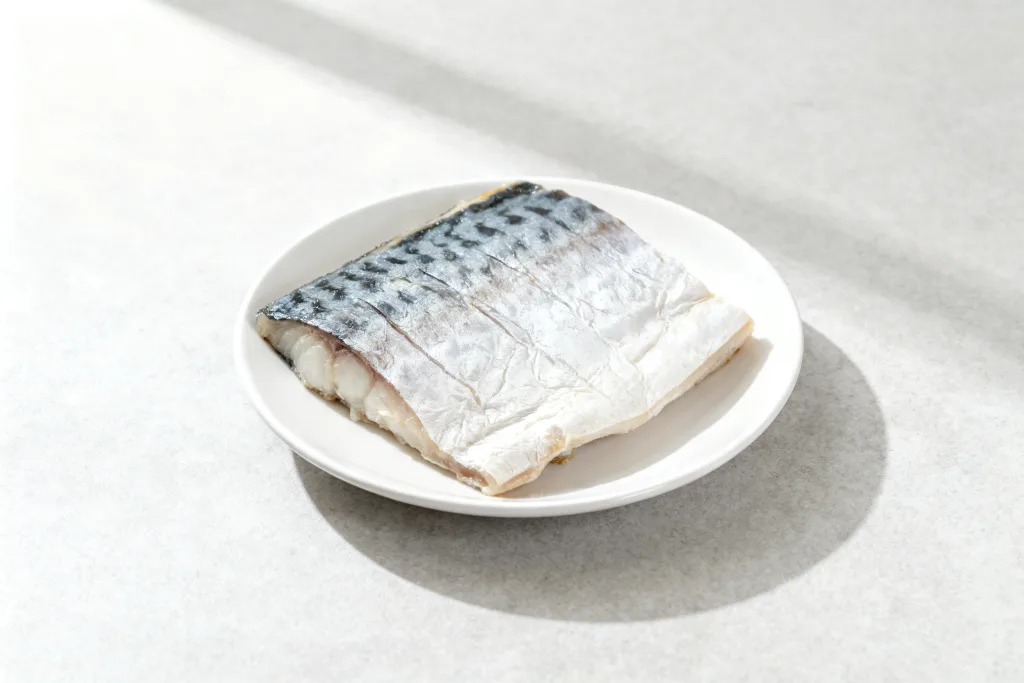
Zhoushan Air-Dried Eel
Conger eel split, salted and hung to dry in the cold winter wind until firm, then steamed in thick slices and eaten as a chewy, intensely savoury winter dish with rice.
How to eat it
The steamed slices come skin-on with the backbone in the middle. Hold a piece with chopsticks and pull the flesh away from the bone; it is firm and chewy, more like a cured ham than fresh fish, and the flavour is concentrated, so take small pieces with a lot of rice. The skin is eaten and is the chewiest part. Watch for the fine bones near the tail end. Locals often eat it with a bowl of plain rice porridge, or as a cold plate the next day, when the texture is firmer still.
The story behind the dish
Wind-drying eel is a winter routine in Zhoushan households, timed to the dry north-westerly winds after the winter solstice, when conger eel are fat and the air is cold enough to cure the fish without spoiling. Split eels hang from eaves and balconies across the islands in December and January, and the finished fish are stored for the Spring Festival table and sent to relatives on the mainland. The technique belongs to the same tradition as Ningbo's dried fish and the brined crab, all ways of stretching a big catch through the months when the boats could not go out.
For reference
Every kitchen does it its own way. What follows is the typical version — ingredients, heat and price shift from city to city and from one restaurant to the next, so take it as a guide rather than a fixed recipe.